

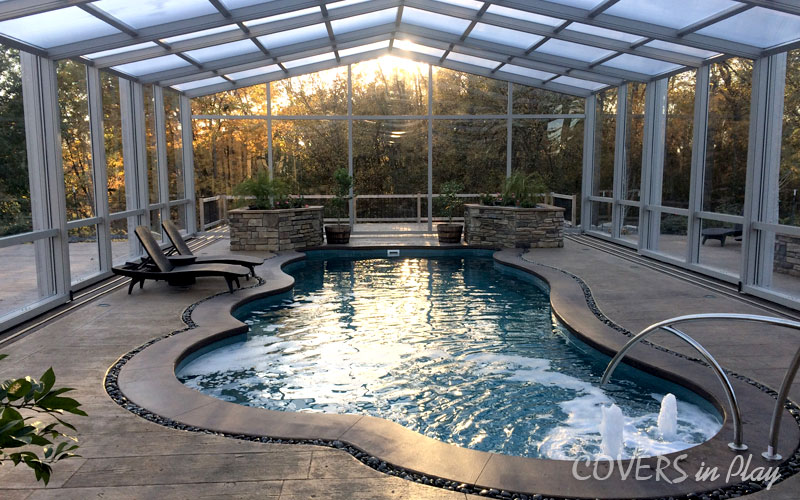
A pool adds joy to a home, but it also adds responsibility. Barriers, gates, and clear rules protect children and visitors from serious harm. Aquarius Pools builds custom residential pools in Victoria, Australia, and safety planning sits at the center of every project. Meanwhile, the Aquarius Pools team works with owners to keep each pool compliant from the first design sketch.
Key Takeaways
- Victorian law requires every pool or spa that holds water deeper than 30 centimetres to have a compliant barrier.
- A barrier must fully surround the pool and stop young children from climbing over, under, or through it.
- Self-closing and self-latching gates are essential, and they must open away from the pool.
- Local councils register pools and spas, and owners must lodge a certificate of barrier compliance.
- Owners must renew barrier inspections on a fixed schedule set by the regulations.
- Windows, boundary fences, and nearby furniture can weaken a barrier if owners ignore them.
- Regular checks of latches, hinges, and gaps prevent small faults from becoming major risks.
- Early talks with a builder and certifier reduce the cost of later corrections.
Why Pool Barriers Exist
Drowning can happen in seconds and often makes no noise. Young children move quickly, and a short lapse in supervision is enough. Therefore, regulators treat physical barriers as the first line of defence.
Barriers do not replace adult supervision. However, they give families a vital extra layer of protection. In fact, safety experts describe the combination of fencing, supervision, and water skills as the most reliable approach.
Who Sets the Rules in Victoria
Victorian Building Regulations and Australian Standard AS 1926.1 form the core of the rules. The state sets the legal framework, whereas local councils handle registration and enforcement. Additionally, a registered building surveyor must sign off on new barrier work.
Rules change from time to time. As a result, owners should confirm current requirements with the Victorian Building Authority or their council before they build, renovate, or sell a property.
Barrier Height, Gaps, and Climbability
A compliant barrier must reach a minimum height, and the standard sets exact measurements for the gap beneath it and between its bars. Specifically, those limits stop a small child from squeezing through or crawling under.
Climbability matters just as much. Horizontal rails, planters, and stacked items create footholds. Consequently, a non-climbable zone must surround the barrier on the outside. Keep that zone free of anything a child could use as a step.
Gates, Latches, and Hinges
The gate is the weakest point in many barriers. A compliant gate swings away from the pool, closes by itself, and latches without help. Moreover, the latch must sit at a height that small children cannot reach.
Wear and tear affect these parts quickly. Sun, salt, and dirt can slow a hinge or stiffen a spring. For example, a gate that stays ajar after a gentle push has already failed the test. Fix it immediately.
Windows, Walls, and Boundary Fences
A house wall can serve as part of the barrier only when it meets strict conditions. Doors that lead directly to the pool area usually need to stay outside the barrier line. In addition, windows near the pool must have locks or restricted openings.
Neighbouring boundary fences count too, provided they meet the standard. Not only must they reach the right height, but they must also resist climbing. Owners should check the fence even when a neighbour owns it.
Registration and Compliance Certificates
Every pool or spa capable of holding water deeper than 30 centimetres must appear on the council register. Owners lodge the details and later submit a certificate of barrier compliance, which a qualified inspector issues.
Selling a property triggers further requirements. Specifically, a current certificate must accompany the contract of sale or lease. Accordingly, many owners schedule an inspection well before they list the home.
Inspection Schedules and Renewals
Certificates do not last forever. Victorian rules require owners to renew them at regular intervals, and the period depends on when the pool was built and registered. Therefore, owners should note the due date and book an inspector early.
Inspectors check height, gaps, gates, latches, and signage. If they find a fault, they issue a notice listing the repairs. Subsequently, the owner fixes the problem and requests a follow-up inspection.
Everyday Safety Habits for Owners
Good habits keep a compliant barrier working. Test the gate every month, and push it from several angles. Tighten loose screws, and replace worn springs. Furthermore, trim shrubs that could hide gaps or help a child climb.
Keep chairs, toys, and pots away from the fence line. Teach everyone in the household to close the gate each time. In addition, learn CPR and display a current resuscitation chart near the pool.
Planning Compliance During a New Build
Compliance costs less when planners address it early. Layout choices affect where the barrier runs, how it meets the house, and where the gate sits. As a result, a well-planned design avoids awkward fixes later.
Builders, certifiers, and owners should talk before construction begins. Indeed, a clear written plan helps everyone understand the barrier type, materials, and inspection timeline. That planning protects both the family and the investment.