

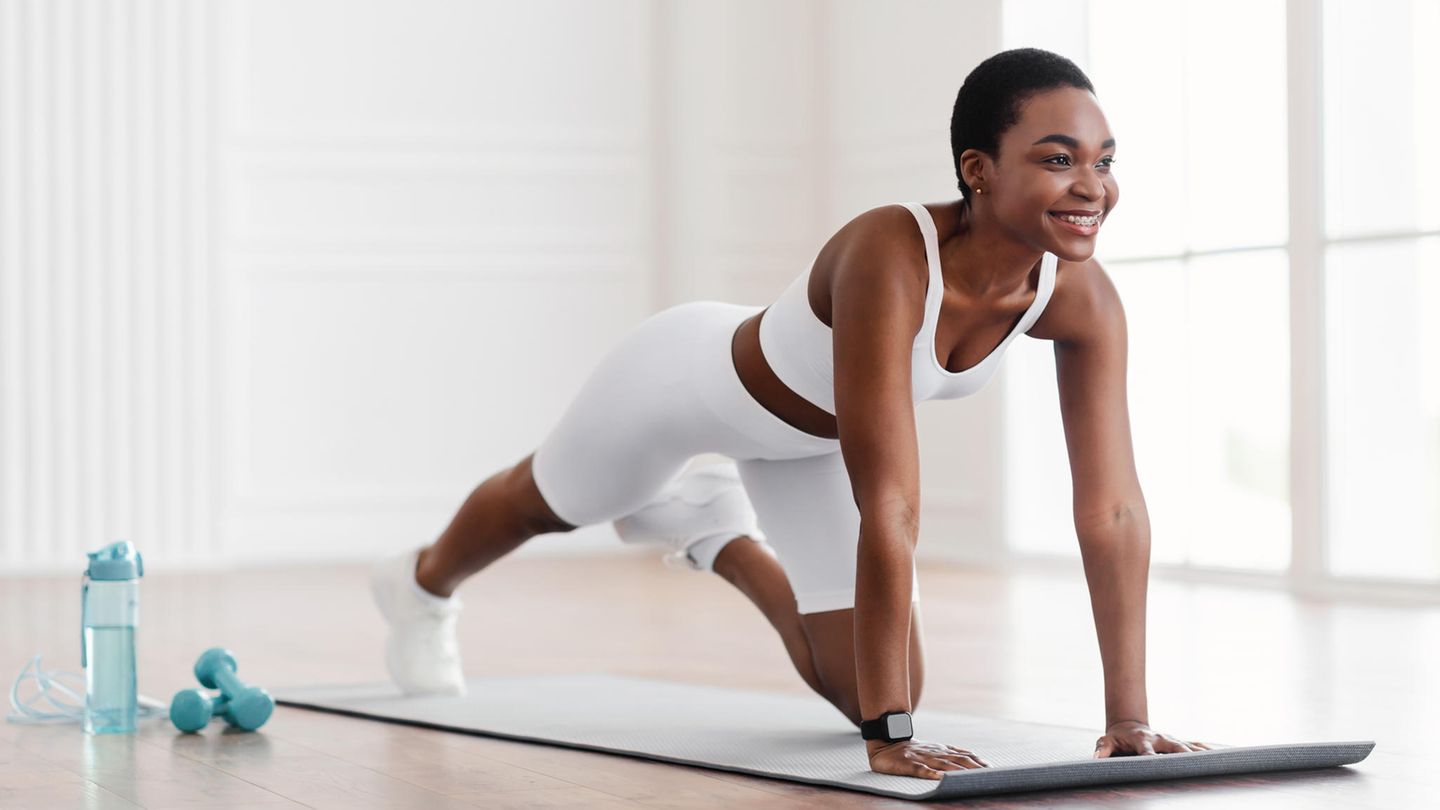
Gain strength with expert home muscle-building exercises. Learn effective bodyweight and minimal equipment routines for significant growth at home.

Building muscle at home is entirely achievable with the right approach and consistent effort. I’ve personally experienced the frustration of crowded gyms and limited time, which pushed me to master effective home-based routines. My journey showed me that sophisticated equipment isn’t always necessary for significant strength and muscle gain. Dedication and smart planning are the true game-changers. This guide shares my practical insights, focusing on what genuinely works.
Overview
- Effective muscle building is possible at home using bodyweight and minimal equipment.
- Progressive overload is crucial, meaning exercises must get harder over time.
- Proper form ensures safety and maximizes muscle activation for better results.
- Nutrition, especially protein intake and adequate calories, directly supports muscle growth.
- Consistency in training and sufficient rest are fundamental for recovery and adaptation.
- Strategic planning of workouts, including sets, reps, and rest periods, optimizes gains.
- Listening to your body prevents injury and promotes long-term training adherence.
Grundlagen für effektive Muskelaufbau Übungen Zuhause
Starting your muscle-building journey at home requires understanding a few core principles. Consistency is paramount; irregular workouts yield little progress. It’s not about how many hours you spend, but how regularly you challenge your muscles. My experience confirms that three to four well-structured sessions per week are more effective than sporadic intense bursts.
Proper form is non-negotiable. Bad form can lead to injuries and poor muscle activation, wasting your effort. Focus on controlled movements, feeling the muscle work through its full range of motion. Always prioritize quality over quantity. Even simple Muskelaufbau Übungen Zuhause like push-ups and squats, when executed perfectly, provide immense benefits. Progressive overload, making exercises harder over time, is the engine of muscle growth. Without it, your muscles adapt quickly and stop growing. This means adding reps, sets, decreasing rest, or performing more challenging variations.
Bodyweight Training Prinzipien für Kraftzuwachs
Achieving significant strength and muscle gain without a gym relies heavily on mastering bodyweight training. The key is to manipulate standard exercises to increase difficulty. For example, a regular push-up can progress to a decline push-up, then a one-arm push-up, providing continuous challenge. Changing the tempo, like slowing down the eccentric (lowering) phase, also boosts intensity. Holding contractions at the peak of an exercise, known as an isometric hold, recruits more muscle fibers.
Single-limb variations are incredibly effective. A single-leg squat (pistol squat) or a Bulgarian split squat will tax your leg muscles far more than a two-legged squat once your strength increases. For pulling movements, a sturdy doorframe pull-up bar or even inverted rows using a strong table are excellent options. Many people in the US and worldwide successfully build impressive physiques with just these tools. Core work, such as various plank holds and leg raises, should be integrated to build a strong foundation, supporting all other movements.
Gerätefreie Muskelaufbau Übungen Zuhause: Praktische Routinen
Building a solid workout routine for home muscle growth doesn’t need to be complex. A full-body approach, performed 3-4 times a week with a rest day in between, works wonderfully. Here’s a sample structure:
- Warm-up (5-10 minutes): Light cardio (jumping jacks), dynamic stretches (arm circles, leg swings).
- Workout:
- Push: Push-ups (3 sets of max reps) – try knee, regular, or decline variations.
- Pull: Inverted rows (3 sets of 8-12 reps) using a sturdy table or resistance band rows.
- Legs: Squats (3 sets of 10-15 reps) – bodyweight, sumo, or jump squats.
- Legs: Lunges (3 sets of 10-12 reps per leg).
- Core: Plank (3 sets, hold for 30-60 seconds).
- Core: Crunches or Leg Raises (3 sets of 15-20 reps).
- Cool-down (5 minutes): Static stretches, holding each for 20-30 seconds.
Remember, the goal for Muskelaufbau Übungen Zuhause is to gradually increase the difficulty or volume over time. If 3 sets of 15 squats become easy, switch to jump squats or single-leg variations. Consistency with this kind of structure will yield noticeable results.
Progression und Ernährung für nachhaltige Muskelaufbau Übungen Zuhause
Sustained muscle gain demands a strategic approach to both training progression and nutrition. Once your body adapts to existing exercises, you must increase the challenge. This is progressive overload. It could mean performing more repetitions, adding another set, or reducing rest periods between sets. Introducing more advanced exercise variations, like moving from knee push-ups to regular push-ups, then to one-arm push-ups, is another form of progression. Even adding a backpack for resistance during squats or push-ups can provide a new stimulus.
Nutrition plays an equally critical role. Muscles cannot grow without sufficient building blocks. Aim for adequate protein intake, roughly 1.6 to 2.2 grams per kilogram of body weight daily. Think lean meats, poultry, fish, eggs, dairy, and plant-based protein sources. To build muscle, you also need a slight caloric surplus – consuming slightly more calories than you burn. This provides the energy for muscle repair and growth. Don’t forget hydration; water is essential for every bodily function, including nutrient transport and muscle performance. Finally, prioritize sleep and recovery. Muscles grow during rest, not during workouts. Aim for 7-9 hours of quality sleep nightly to allow your body to repair and rebuild.