

The Rise of Embedded Finance
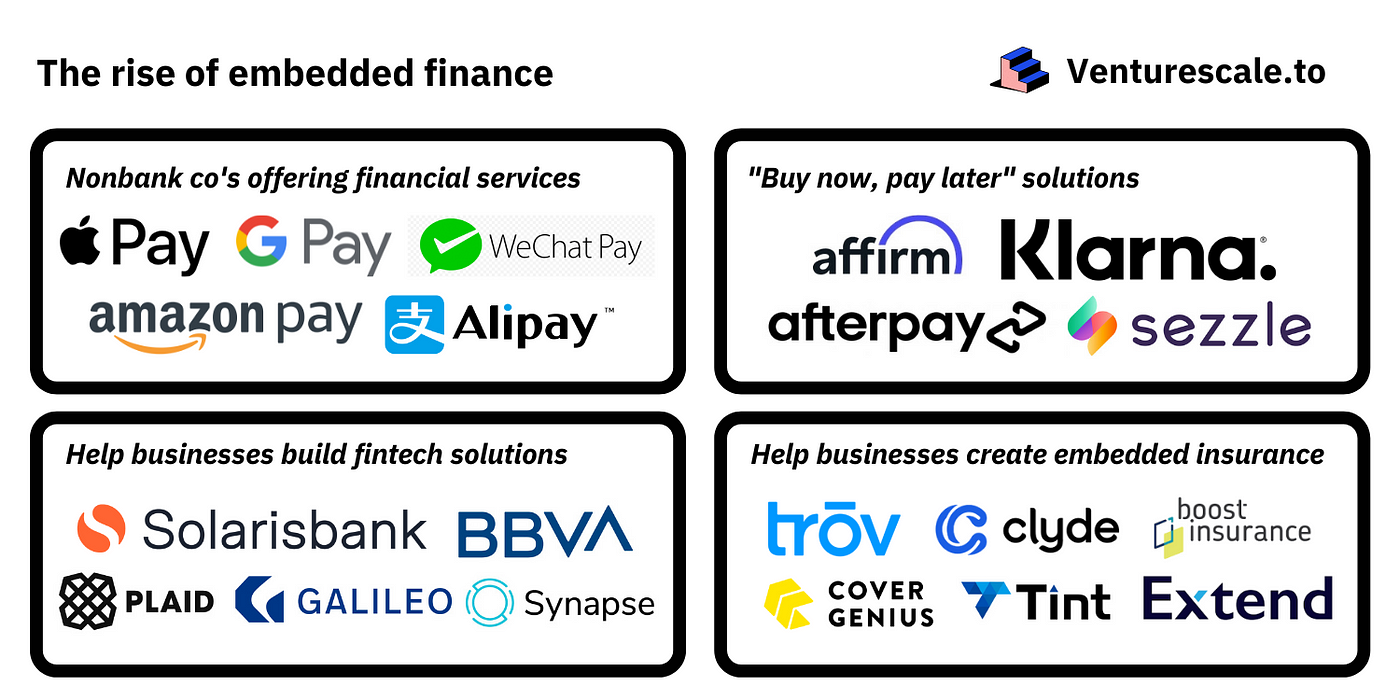
Banking is no longer confined to brick-and-mortar branches or even dedicated banking apps. It’s increasingly finding a home within the apps we use every day. This phenomenon, known as embedded finance, is transforming how we interact with financial services, making them seamlessly integrated into our digital lives. Instead of navigating to a separate banking app, we can manage our finances directly within the platforms we already utilize for shopping, travel, or social networking.
Shopping and Paying with Ease
One of the most prevalent examples of embedded finance is the integration of payment options directly into e-commerce platforms. Buy Now, Pay Later (BNPL) services are a prime example, allowing users to split purchases into manageable installments without leaving the shopping app. This streamlined process simplifies the checkout experience and encourages larger purchases. Beyond BNPL, many shopping apps now offer direct debit options, allowing for recurring payments for subscriptions or regular purchases, all within the app’s interface.
Travel Planning Made Simpler
Travel apps are also embracing embedded finance. Imagine booking flights and hotels, then seamlessly linking your travel insurance or paying for airport lounge access—all without ever leaving the travel app. Furthermore, some apps allow you to manage travel expenses, track spending, and even exchange currency, providing a comprehensive financial management solution within the context of your trip planning. This eliminates the need to juggle multiple apps and simplifies the entire travel process.
Managing Finances Within Social Media
While it might seem unconventional, even social media platforms are starting to incorporate financial tools. Think about the ability to send and receive money to friends through a messaging app or directly within a social media platform. This level of integration allows for quick and easy peer-to-peer payments, eliminating the need for separate payment apps or bank transfers. Beyond payments, some platforms are exploring options for investing or managing budgets within their ecosystems.
The Benefits of Embedded Finance for Consumers
For consumers, embedded finance offers several compelling advantages. The most obvious benefit is convenience. By consolidating financial services within the apps they already use, consumers save time and effort. This integration also improves the overall user experience, creating a more seamless and intuitive financial journey. The increased accessibility and convenience can encourage better financial habits and improved financial literacy.
Security and Privacy Concerns
While the benefits are undeniable, the integration of financial services into diverse applications also raises concerns about security and privacy. Consumers must be confident that their financial data is handled securely and responsibly. Robust security measures and transparent data privacy policies are crucial to ensure user trust and adoption. Regulatory oversight and industry best practices are vital for mitigating these risks and protecting consumer interests.
The Future of Embedded Finance
The future of embedded finance looks bright. We can expect to see increasingly sophisticated and personalized financial services integrated into even more applications. The lines between traditional banking and other sectors will continue to blur, leading to more innovative and user-centric financial solutions. Artificial intelligence (AI) and machine learning (ML) will play a crucial role in personalizing financial advice and automating tasks within these integrated platforms. However, navigating the challenges of security, privacy, and regulation will be critical for ensuring the long-term success and responsible development of embedded finance.
The Impact on Traditional Banks
The rise of embedded finance presents both opportunities and challenges for traditional banks. While they face increased competition from fintech companies and other non-traditional players, they also have the opportunity to leverage their existing infrastructure and expertise to become key partners in the embedded finance ecosystem. By collaborating with technology companies and other businesses, traditional banks can integrate their services into various platforms, reaching a wider customer base and strengthening their position in the evolving financial landscape.
Choosing the Right Embedded Finance Solutions
For businesses looking to integrate financial services into their apps, careful consideration of security, regulatory compliance, and user experience is paramount. Selecting reliable partners and implementing robust security measures are critical for success. Understanding the needs and preferences of their target audience is essential for building a user-friendly and valuable integrated financial experience. The integration should be seamless and intuitive, enhancing, not disrupting, the primary functionality of the app.
A Seamless Financial Future
Embedded finance is not just a trend; it’s a fundamental shift in how we interact with financial services. As technology advances and consumer expectations evolve, we can anticipate even greater integration and innovation in this rapidly growing sector. The goal is to create a seamless and intuitive financial experience, making managing our money as effortless as using our favorite apps.