

Expert guidance for successful goldfish pond keeping. Learn crucial setup, care, and health tips to maintain a thriving aquatic environment.
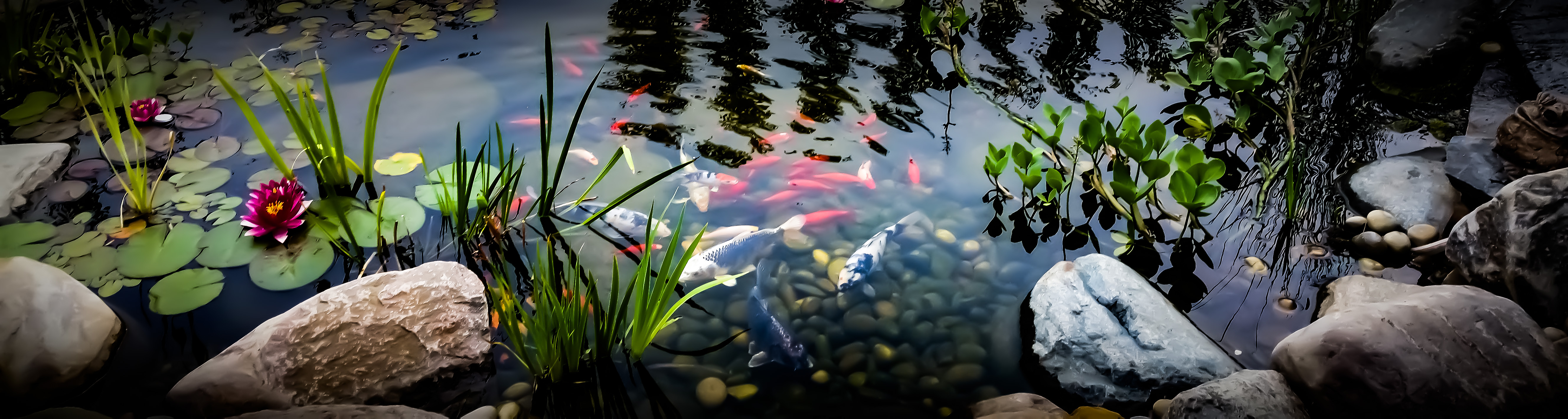
My journey with outdoor goldfish began over two decades ago, transitioning from small indoor aquariums to expansive, natural pond habitats. This shift taught me invaluable lessons about creating self-sustaining aquatic environments. It’s a rewarding endeavor, offering a tranquil backyard feature and a vibrant home for these beautiful fish. The key to long-term success isn’t just about stocking fish; it’s about understanding the delicate balance of a pond ecosystem and actively managing it. This requires patience, observation, and a proactive approach to maintenance.
Overview
- Successful outdoor goldfish keeping starts with proper pond design and location, ensuring adequate depth and sunlight.
- Water quality is paramount; consistent testing and filtration are essential for fish health.
- A balanced diet tailored to pond conditions and seasons supports strong immune systems.
- Understanding and mitigating common health issues through environmental management reduces disease risk.
- Seasonal preparations, especially for winter, are crucial for fish survival in temperate climates.
- Maintaining a healthy pond ecosystem prevents algae blooms and supports beneficial bacteria.
- Regular observation of fish behavior helps in early detection of potential problems.
Die richtige Planung für eine erfolgreiche Goldfisch Haltung im Teich
Setting up a pond for goldfish involves more than just digging a hole. Proper planning is fundamental for long-term success. Location choice impacts sunlight exposure and tree debris, which directly affects algae growth and water quality. I always advise at least 24 inches (60 cm) depth for temperate climates, but 36 inches (90 cm) or more is better, especially for regions with harsh winters, including parts of the US. This depth provides thermal stability, keeping water cooler in summer and preventing complete freezing in winter.
The pond’s volume dictates how many fish it can comfortably support. A good rule of thumb is 10 gallons of water per inch of adult goldfish. Overstocking stresses fish and quickly degrades water quality. Filtration is also vital. A combination of mechanical and biological filtration keeps the water clear and detoxifies harmful compounds like ammonia and nitrite. I’ve found that bog filters, incorporating aquatic plants, work wonders by naturally absorbing nitrates and creating a beautiful, functional addition to the pond. Substrate choice matters too; smooth pebbles are preferable to sharp gravel, protecting delicate fish fins.
Maintaining Optimal Pond Health
Water quality remains the single most critical factor for healthy goldfish. Regular testing for pH, ammonia, nitrite, and nitrate levels is non-negotiable. I personally test my ponds weekly, adjusting as needed. A stable pH between 7.0 and 8.0 is ideal. Ammonia and nitrite should always be zero. Elevated nitrates signal the need for water changes or increased plant filtration. Partial water changes, around 10-20% weekly, help replenish essential minerals and remove accumulated waste.
Aeration is equally important, especially during warmer months or with higher fish loads. Air pumps with air stones ensure adequate oxygen levels, preventing fish stress and disease. Aquatic plants like water lilies, hyacinths, and submerged oxygenators contribute significantly to water quality by absorbing nutrients and providing shade and shelter. Observing your fish daily provides early warning signs of issues. Lethargy, clamped fins, gasping at the surface, or unusual spots are indicators that something is amiss with the water parameters or a disease is present. Acting quickly can prevent widespread problems.
Fütterung und Pflege für gesunde Goldfisch Haltung im Teich
Feeding your goldfish correctly is crucial for their well-being and longevity. Goldfish are omnivores, but their diet in a pond should primarily consist of high-quality floating pellets specifically formulated for pond fish. I feed my fish once or twice daily, only offering what they can consume within a few minutes. Overfeeding leads to excess waste, contributing to poor water quality and algae blooms. As temperatures drop, their metabolism slows, so reduce feeding frequency and switch to a wheat germ-based food in cooler water.
Beyond prepared foods, goldfish benefit from occasional treats like blanched peas, earthworms, or small insects they find naturally. These supplements offer diverse nutrients. Preventing disease often comes down to strong immune systems, which a balanced diet supports. Additionally, keeping the pond clean by removing fallen leaves and decaying plant matter is a key part of good husbandry. This proactive approach to pond maintenance and nutrition directly impacts the vitality of your Goldfisch Haltung im Teich.
Überwinterung und Schutz bei der Goldfisch Haltung im Teich
Preparing your pond and fish for winter is a critical step for successful Goldfisch Haltung im Teich, especially in regions with freezing temperatures. As autumn arrives, reduce feeding as water temperatures drop below 50°F (10°C). Stop feeding completely when temperatures consistently stay below 45°F (7°C). Goldfish enter a dormant state, living off stored energy. Removing any remaining uneaten food is vital to prevent decomposition and ammonia spikes under ice.
Ensure your pond has sufficient depth to prevent it from freezing solid. A pond heater or de-icer is invaluable for maintaining an open hole in the ice. This allows for gas exchange, preventing the buildup of toxic gases like hydrogen sulfide. These gases are lethal to dormant fish. I also recommend a small air pump running through winter, ensuring adequate oxygenation without disturbing the fish too much. Coverings like netting can prevent leaves from falling into the pond, simplifying spring cleanup. A well-prepared pond ensures your goldfish emerge healthy and active when spring arrives.