

A practical guide to the small business trademark registration process in the US. Learn essential steps, searching, filing, and maintaining your brand’s legal protection.
Protecting your brand’s identity is crucial for any business, especially for smaller enterprises aiming for growth. A trademark legally safeguards your brand name, logo, or slogan, preventing others from using something similar. This article outlines the essential steps involved, drawing from practical experience helping numerous entrepreneurs secure their brand assets. Understanding this journey can save time, money, and potential headaches down the road.
Overview
- A trademark protects brand names, logos, or slogans from unauthorized use.
- Registration begins with selecting a unique, strong mark that differentiates your business.
- Thorough searches are vital to ensure your proposed mark isn’t already in use or too similar to existing marks.
- The application is filed with the US Patent and Trademark Office (USPTO), detailing the goods or services.
- Legal review by a USPTO examiner and public opposition periods are standard steps.
- Maintaining your registration requires periodic filings and active enforcement against infringers.
- Engaging with an experienced attorney can significantly streamline the entire application and maintenance.
Understanding the Initial Steps in the Small Business Trademark Registration Process
Before anything else, you need a clear understanding of what a trademark is and why it matters. A trademark identifies and distinguishes the source of goods or services of one party from those of others. For a small business, this means your company name, product name, logo, or tagline. These elements become valuable assets as your brand reputation grows.
The very first step in the small business trademark registration process is choosing a strong mark. Not all marks are equally protectable. Fanciful marks (made-up words like “Kodak”) and arbitrary marks (real words unrelated to the product, like “Apple” for computers) offer the strongest protection. Suggestive marks (hinting at the product, like “Coppertone” for sun lotion) also gain protection. Descriptive marks (e.g., “Sharp” pencils) are weak and generally not registrable without proving “secondary meaning,” meaning consumers associate the descriptive term solely with your brand. Generic terms (e.g., “Car” for a car company) are never registrable. Once you have a strong candidate, consider how it will be used in commerce within the US.
The Critical Search Phase for Your Brand Identity
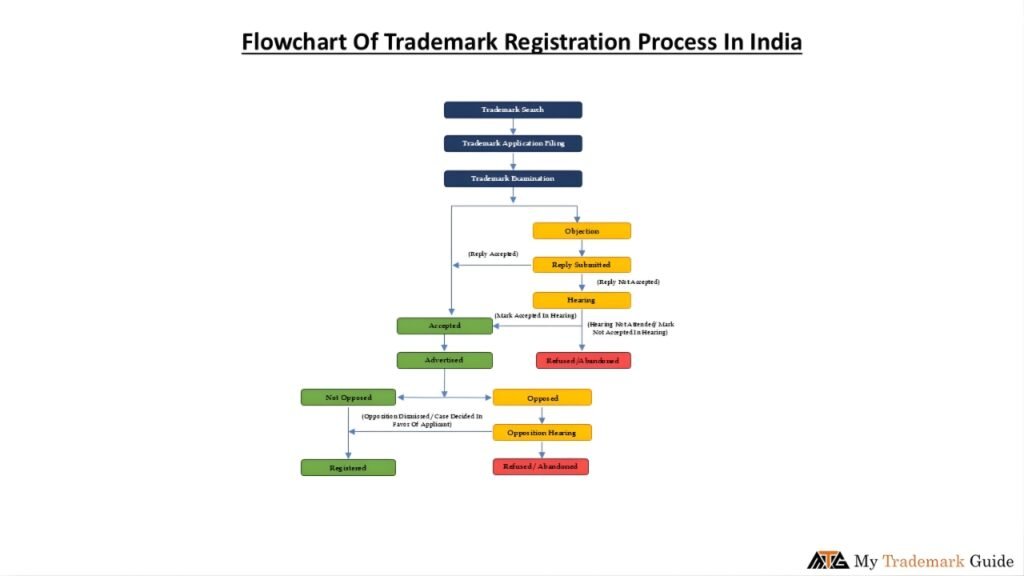
After identifying a potential mark, the next vital step is conducting a thorough search. This minimizes the risk of rejection by the USPTO and, more importantly, reduces the chance of infringing on an existing trademark. Overlooking this phase can lead to costly rebranding efforts or even legal disputes. Many small businesses try to skip this, but it’s a gamble that rarely pays off.
Start with a basic search using the USPTO’s Trademark Electronic Search System (TESS) database. Look for exact matches and similar-sounding words, spellings, and designs. Extend your search beyond the USPTO by checking state trademark registries, business name databases, domain name availability, and social media handles. Remember that unregistered “common law” trademarks, although not on federal registers, can still pose a challenge if they were in use before you. A comprehensive search helps identify potential conflicts based on “likelihood of confusion,” a key factor the USPTO considers. Often, working with a trademark attorney for this phase provides a more exhaustive and expert analysis, using specialized tools and understanding of legal precedents.
Filing the Application: Key Aspects of the Small Business Trademark Registration Process
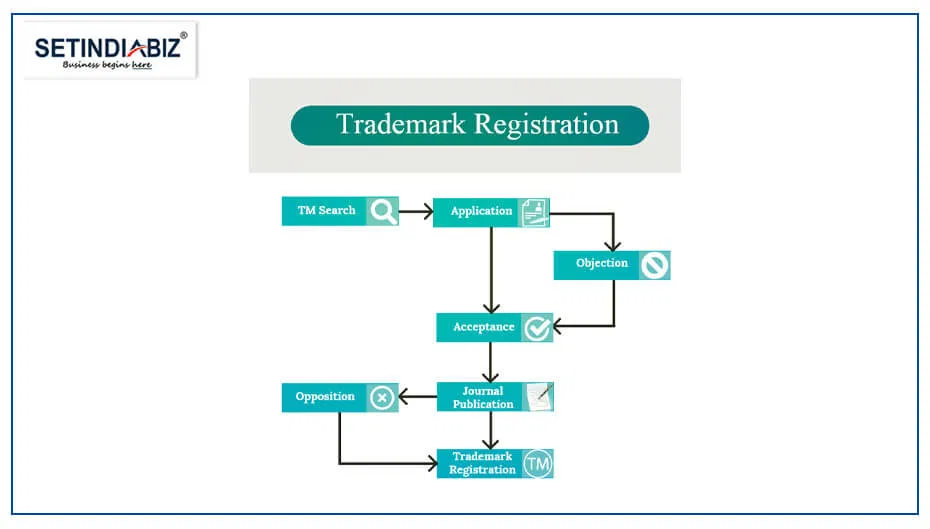
With a strong, unique mark and clear search results, you are ready to file the application. This is typically done electronically through the USPTO’s Trademark Electronic Application System (TEAS). There are two main types of applications based on your use of the mark: “intent-to-use” (ITU) if you plan to use the mark soon, or “in-use” if you are already using it in commerce. For in-use applications, you must provide a “specimen,” which is an actual example of how your mark appears on goods (e.g., product packaging) or in connection with services (e.g., a website screenshot showcasing the service).
Properly classifying your goods and services is another critical component of the small business trademark registration process. The USPTO uses an international classification system (Nice Classification) to categorize items. Accurately selecting the correct classes ensures your protection covers the right business activities. Mistakes here can lead to delays or narrow protection. Once submitted, a USPTO examiner reviews your application for compliance with trademark law. They will check for conflicts with existing marks and adherence to various legal requirements. This initial examination period can take several months.
Post-Filing and Maintenance: Ensuring Ongoing Brand Protection
The filing of your application is not the end of the journey. The examiner might issue an “Office Action” if they find issues with your application. This is a common part of the process and usually means you need to respond with arguments or amendments. Successful applications are then published in the Official Gazette for a 30-day opposition period, allowing third parties to object to your mark’s registration. If no oppositions are filed or if they are overcome, your mark will proceed to registration. An “intent-to-use” application will then require a Statement of Use and specimens before it becomes fully registered.
Once your trademark is registered in the US, active maintenance is essential. Trademark rights are not perpetual without proper upkeep. You must file periodic declarations of use (usually at the 5-6 year mark, and then every 10 years) to confirm your continued use of the mark in commerce. Failure to do so can result in the cancellation of your registration. Furthermore, true brand protection involves vigilance. You, or your legal counsel, must monitor for potential infringers and be prepared to enforce your rights. A registered trademark is a powerful tool for stopping unauthorized use, but it requires ongoing attention to remain effective.