


Witness ADAS in real-world scenarios. Learn how these systems improve safety and driving experience from an expert perspective.
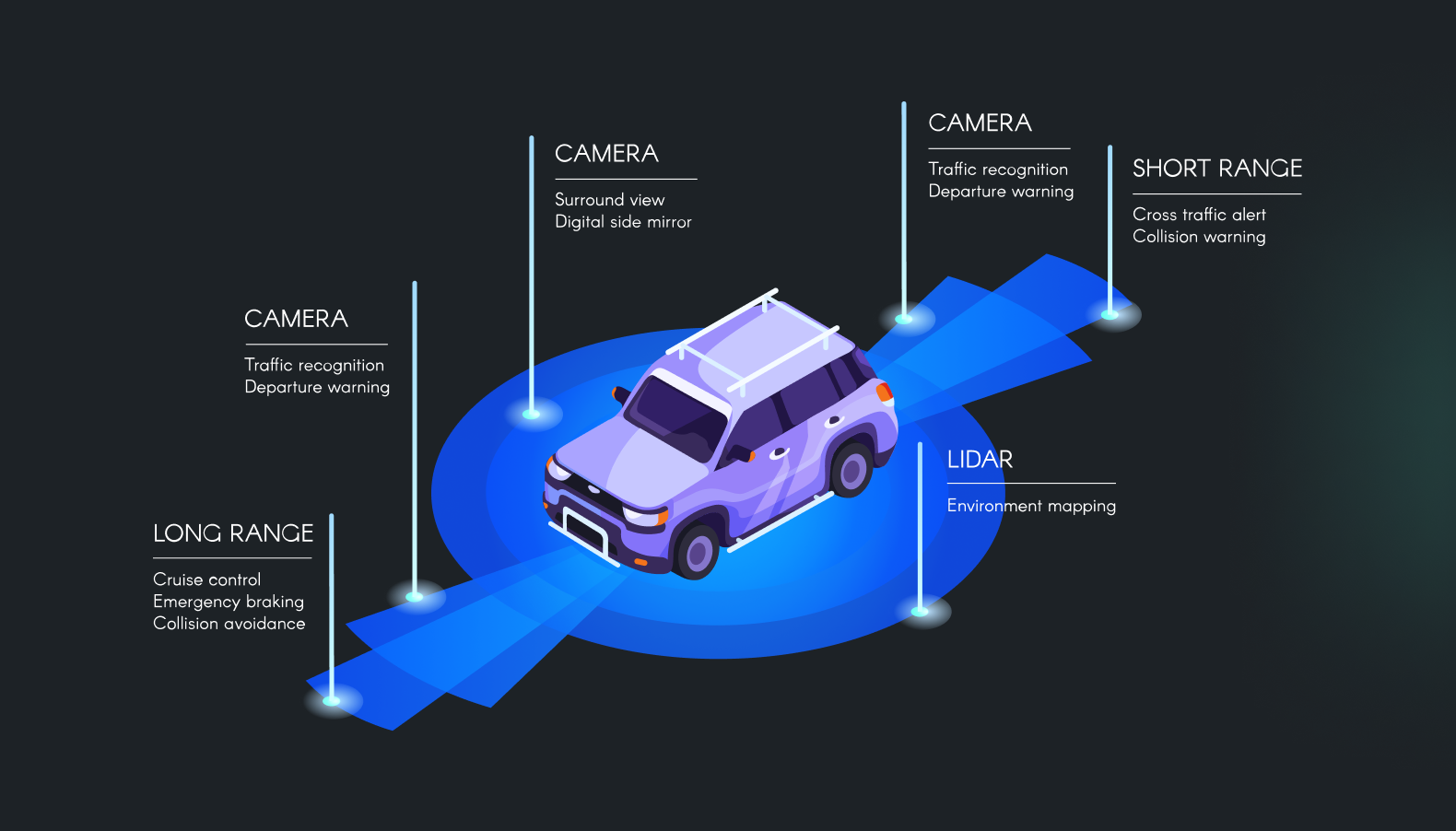
Observing modern vehicles in operation, it’s clear that technology is profoundly changing how we drive. From my own time on the road, testing different vehicles and speaking with drivers, the capabilities of Advanced Driver Assistance Systems are consistently impressive. These systems aren’t just futuristic concepts; they are actively shaping our daily commutes and making roads safer. It’s fascinating to watch advanced driver assistance systems (adas) execute complex tasks with precision, offering a glimpse into the future of mobility.
Overview
- ADAS features are practical tools that actively assist drivers in everyday situations.
- These systems contribute significantly to vehicle safety by helping prevent collisions.
- Real-world application shows ADAS systems handling tasks like lane keeping and adaptive cruising.
- Parking assistance features demonstrate the precision of automated maneuvers.
- Expert observation confirms the growing reliability and user acceptance of ADAS in the US.
- The evolution of ADAS points towards increasing automation while maintaining driver responsibility.
Watch Advanced Driver Assistance Systems (ADAS) in Everyday Driving
From my personal observations driving various models, the integration of ADAS into daily routines is quite seamless. Take Adaptive Cruise Control (ACC) for instance. On highways, I’ve seen it maintain a set distance from the car ahead, gracefully adjusting speed. This system reduces driver fatigue significantly, especially on long journeys or in stop-and-go traffic. It’s a prime example of how these features support rather than replace human input.
Lane Keeping Assist is another system that’s become incredibly common. I’ve watched it gently nudge vehicles back into their lane if they start to drift, providing a tangible safety net. While not fully autonomous, this haptic feedback and subtle steering input help prevent momentary lapses of attention from becoming dangerous incidents. Automatic Emergency Braking (AEB) provides a crucial layer of protection, reacting faster than a human could in sudden situations, actively preventing or mitigating collisions. It’s reassuring to know this technology is constantly scanning for potential hazards.
The Impact of Modern Safety Features
The proliferation of driver assistance systems has had a noticeable impact on road safety. Based on incident reports and public data, vehicles equipped with these modern safety features show a reduced likelihood of certain types of accidents. It’s not just about comfort; it’s about active prevention. These systems act as vigilant co-pilots, alerting drivers to unseen dangers or reacting when human response time isn’t enough.
For instance, blind spot monitoring, a simple yet effective feature, has saved countless drivers from side-swipe collisions. Rear cross-traffic alerts make backing out of parking spaces much safer, particularly in busy parking lots. The cumulative effect of these seemingly small aids makes a big difference in the overall driving experience. In the US, governmental bodies and automotive safety organizations consistently advocate for the widespread adoption of these technologies, recognizing their potential to save lives and reduce injuries on our roads.
What to Watch Advanced Driver Assistance Systems (ADAS) Do for Parking
Parking can be a stressful part of driving for many. This is where certain ADAS features truly shine. Automated parking assistance systems, for example, perform parallel or perpendicular parking maneuvers with remarkable accuracy. I’ve personally observed vehicles steering themselves into tight spots, the driver only controlling the gear selection and pedals. The sensors meticulously map the surroundings, calculating the perfect trajectory.
This feature is more than just a novelty; it prevents scrapes and dings in crowded urban environments. It also builds driver confidence, knowing that the vehicle can execute tricky parking maneuvers flawlessly. The precision with which these systems guide the vehicle, sometimes within mere inches of other cars or obstacles, is a testament to the sophistication of modern sensor technology and algorithms. It’s genuinely impressive to watch advanced driver assistance systems (adas) take over the wheel for such a nuanced task.
My Take on How to Watch Advanced Driver Assistance Systems (ADAS) Evolve
Looking ahead, the evolution of ADAS promises even greater capabilities. I anticipate more advanced sensor fusion, combining data from cameras, radar, and lidar for an even more robust understanding of the vehicle’s surroundings. Vehicle-to-everything (V2X) communication will allow cars to “talk” to each other and to infrastructure, providing early warnings about traffic jams, road hazards, or emergency vehicles well before they are visible.
We are moving towards higher levels of automation, but the human element will remain crucial. Even as these systems become more capable, they are designed to assist, not fully replace, the driver. Continuous monitoring and readiness to take control will always be paramount. The progression will be incremental, with each generation of ADAS building on the last, pushing the boundaries of what is possible in vehicle safety and convenience. Observing this progression firsthand provides valuable insights into the future of automotive technology.