

The Allure of Pet DNA Testing
For pet owners, the desire to understand their furry companions runs deep. Breed identification, health predispositions, and even personality insights are now readily available through at-home DNA testing kits. These kits, promising a glimpse into a pet’s genetic makeup, have exploded in popularity, offering peace of mind and a sense of connection. The convenience and relatively low cost have made them accessible to a vast number of pet parents.
Inconsistent Results Across Different Companies
However, a growing concern is the lack of standardization and the inconsistent results produced by different companies. Sending the same sample to multiple testing services often yields vastly different breed breakdowns. One company might identify a dog as primarily Labrador Retriever with a touch of German Shepherd, while another might declare it mostly Golden Retriever with a dash of Husky. This discrepancy leaves owners confused and questioning the accuracy of these tests.

The Complexity of Canine Genetics
The complexities of canine genetics play a significant role in these inconsistencies. Dog breeds are far from genetically isolated entities; centuries of crossbreeding have resulted in a complex mix of traits. The databases used by these companies, while constantly expanding, may still lack comprehensive information on less common breeds or mixes, leading to misinterpretations of genetic markers.
Questionable Health Predictions
Beyond breed identification, many pet DNA tests also offer predictions about potential health risks. These predictions, while potentially useful, should be interpreted with considerable caution. The tests identify genetic markers associated with certain conditions, but this doesn’t guarantee the pet will develop those conditions. Environmental factors, lifestyle choices, and other genetic influences all play a role in the development of disease. Overreliance on these predictions could lead to unnecessary anxiety or potentially inappropriate preventative measures.
Lack of Regulation and Oversight
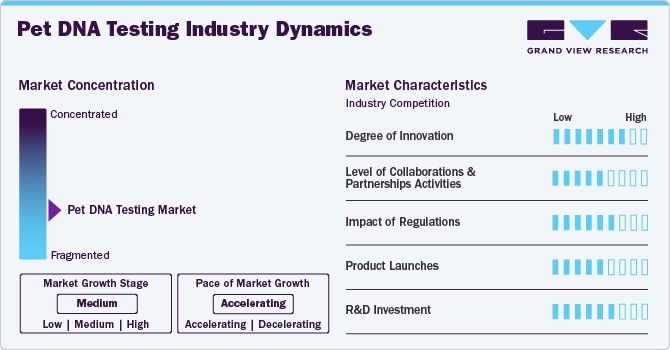
Currently, the pet DNA testing industry lacks rigorous regulation and oversight. This absence of standardization in testing methodologies, database construction, and result reporting contributes to the variability in results. Without clear guidelines and quality control measures, consumers are left to navigate a market with varying levels of accuracy and reliability. The lack of independent verification of results further compounds this issue.
Ethical Concerns and Data Privacy
Beyond accuracy, ethical concerns are also surfacing. The collection and use of pet genetic data raise privacy questions. What happens to this data after the results are provided? Is it securely stored? Could it be used for purposes beyond breed identification and health predictions? The lack of transparency in data handling practices leaves many pet owners uneasy.
The Importance of Veterinary Consultation
While pet DNA testing can offer intriguing insights, it’s crucial to remember that these tests are just one piece of the puzzle. They shouldn’t replace regular veterinary care and checkups. Veterinarians can provide a comprehensive assessment of a pet’s health, combining genetic information with physical examinations and other diagnostic tests to develop a personalized care plan. Viewing DNA test results in conjunction with a vet’s professional opinion offers a more holistic and accurate understanding of a pet’s well-being.
Moving Forward: Calls for Greater Transparency and Standardization
The inconsistencies and limitations of pet DNA testing highlight the need for greater transparency and standardization within the industry. Independent verification of results, stricter quality control measures, and clearer guidelines for data handling are crucial steps towards ensuring the accuracy and ethical use of these tests. Only through increased regulation and transparency can pet owners have greater confidence in the results they receive and make informed decisions about their pet’s care.
Consumer Awareness and Responsible Use
Ultimately, the responsibility for interpreting the results of pet DNA tests lies with the pet owner. Understanding the limitations of these tests and approaching the results with a critical eye is crucial. Instead of relying solely on a single test, it’s important to compare results from different companies, discuss findings with a veterinarian, and approach the information as a piece of a much larger picture of your pet’s health and well-being. Educated consumers are better equipped to navigate this evolving market. Read also about a pet DNA testing company that mistakenly [did something].