

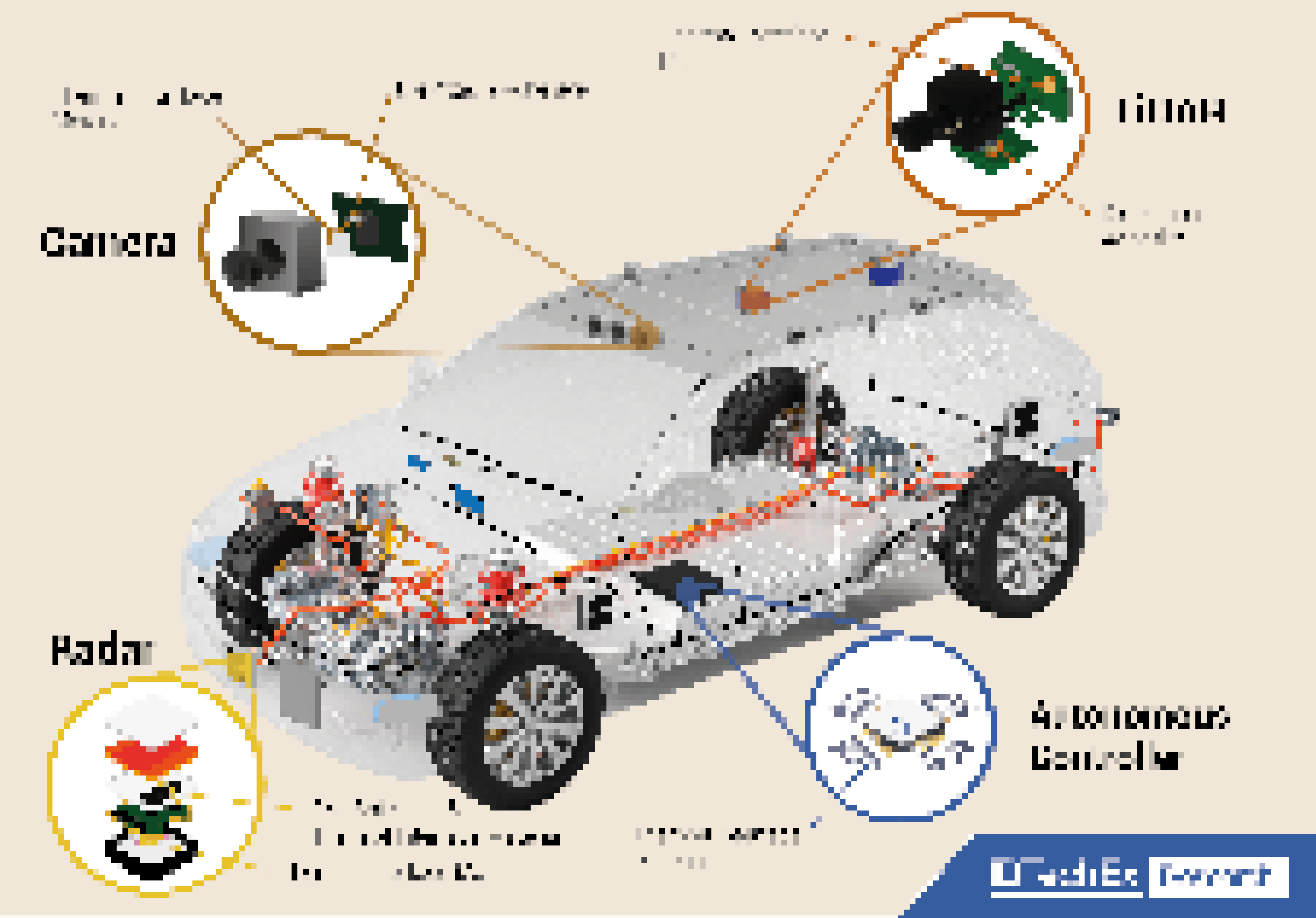
The advent of advanced driver-assistance systems, commonly known as an ADAS system, has fundamentally changed how we approach vehicle safety. These sophisticated technologies are no longer confined to luxury vehicles but are increasingly becoming standard across a wide range of cars, pickups, and SUVs available today. Far from just a convenience, an ADAS system works tirelessly in the background, employing a suite of sensors, cameras, radar, and software to monitor the driving environment and, when necessary, intervene to help prevent collisions, mitigate their severity, or simply make the act of driving less stressful and safer for everyone on the road.
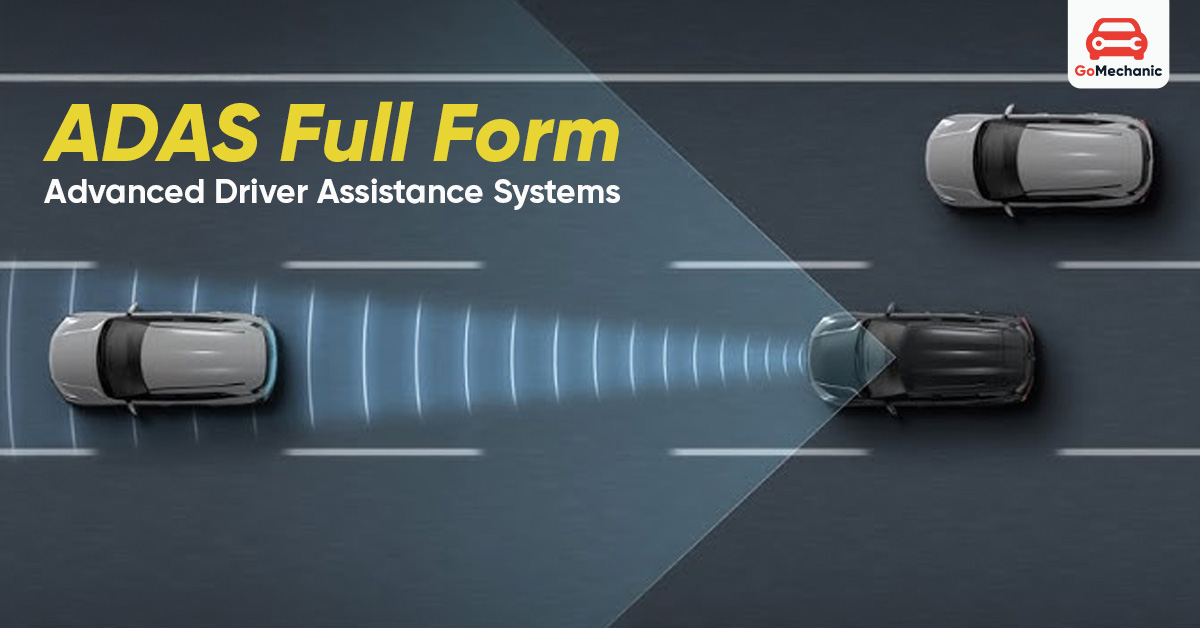
Overview
- An ADAS system uses sensors and cameras to constantly monitor surroundings and warn drivers of potential dangers.
- Features like Automatic Emergency Braking (AEB) can actively prevent or reduce the impact of frontal collisions.
- Lane Keeping Assist and Lane Departure Warning help drivers stay in their lane, especially on long journeys or due to distraction.
- Blind Spot Monitoring alerts drivers to vehicles in their blind spots, making lane changes safer.
- Adaptive Cruise Control helps maintain a safe following distance from the vehicle ahead, reducing driver fatigue.
- Parking assistance systems simplify maneuvers and prevent low-speed bumps.
- Driver drowsiness detection systems can alert fatigued drivers, promoting safer driving habits.
- In the US, the integration of these systems is rapidly increasing, contributing to fewer accidents and injuries.
How an ADAS system Prevents Collisions
One of the most direct ways an ADAS system improves safety is by actively working to prevent collisions. Features like Forward Collision Warning (FCW) utilize radar or camera technology to detect rapidly approaching obstacles, such as a slowing vehicle ahead, and alert the driver with visual and audible warnings. Should the driver fail to react in time, Automatic Emergency Braking (AEB) can take over, applying the brakes autonomously to either prevent an accident entirely or significantly reduce the impact speed. This technology is particularly effective in rear-end collisions, which are a common type of incident. Pedestrian Detection systems, often coupled with AEB, further extend this protection to vulnerable road users, identifying people crossing the street or standing near the vehicle and initiating braking if a collision is imminent. These proactive measures represent a significant leap from traditional passive safety features like airbags, as they aim to avoid the accident altogether.
How an ADAS system Reduces Driver Fatigue
Long drives and stop-and-go traffic can be mentally exhausting, leading to decreased attention and slower reaction times. An ADAS system helps combat driver fatigue through several key functionalities. Adaptive Cruise Control (ACC) is a prime example; it not only maintains a set speed but also adjusts that speed to keep a safe distance from the car in front. This means the driver spends less time constantly adjusting speed and braking, especially in varied traffic conditions. Lane Keeping Assist (LKA) and Lane Departure Warning (LDW) further assist by monitoring the vehicle’s position within its lane. If the car begins to drift without a turn signal activated, LDW will issue an alert, while LKA can gently steer the vehicle back into its lane. For drivers traveling extensively across the US, these systems can make a substantial difference in maintaining vigilance and reducing the mental load, thereby decreasing the likelihood of errors caused by inattention or tiredness. Some advanced systems even incorporate driver drowsiness detection, which monitors steering patterns or eye movements and suggests taking a break when signs of fatigue are detected.
How an ADAS system Assists with Parking and Maneuvering
Parking, especially in crowded urban environments or tight spots, can be a source of stress and minor collisions. An ADAS system includes various features designed to simplify these maneuvers and improve safety. Rear Cross-Traffic Alert (RCTA) warns drivers of approaching vehicles when backing out of a parking space, an invaluable aid when visibility is limited. Blind Spot Monitoring (BSM) alerts the driver to vehicles in adjacent lanes that might not be visible in side mirrors, making lane changes much safer. For parking itself, features like parking sensors provide audible warnings as the vehicle approaches obstacles, while rearview cameras and 360-degree cameras offer a live visual feed of the surroundings, virtually eliminating blind spots. More advanced systems, known as parking assist or self-parking features, can even steer the vehicle into a parking spot with minimal driver input. These systems help prevent costly fender benders and protect pedestrians or objects that might otherwise be unseen during low-speed movements.
How an ADAS system Promotes Situational Awareness
Beyond direct intervention, an ADAS system significantly boosts a driver’s overall situational awareness, helping them make better, safer decisions. By continuously monitoring the environment around the vehicle, these systems provide real-time information that might otherwise be missed. Traffic Sign Recognition (TSR) systems read road signs, such as speed limits, and display them on the dashboard, reminding drivers of current regulations. Rearview and surround-view cameras offer a comprehensive perspective, removing blind spots that can hide small children, pets, or objects when backing up. Predictive systems can also monitor traffic flow and warn of potential hazards further down the road. This constant flow of relevant data allows drivers to maintain a clearer picture of their immediate surroundings and upcoming conditions. The collective effect of these technologies is a more informed and alert driver, less prone to oversights or surprises, ultimately leading to a more secure driving experience for everyone.